Los Angeles Day Tours
I’m Serious Day Tour Man AI, your day trip expert. Ask me anything — where to go, how to get there, and what’s actually worth your day.
Los Angeles day trips run in every direction the freeways do, and a few they don’t: an island with a bison herd twenty-two miles off the coast, a desert of seussian trees ninety minutes east where the rules are written by the thermometer, and a Spanish-colonial beach city best reached by a train that runs along the sand.
One note carried with respect: the January 2025 fires burned through Pacific Palisades and Altadena, and the coast highway corridor is in active rebuild. PCH is open — with work zones and reduced speeds through the Palisades stretch — and Malibu’s surviving businesses are asking visitors to come back and spend. The way to do the coast right now is patiently and locally.
Here’s what’s worth a day, with real times and honest trade-offs.

Popular Day Trips
Catalina
The Hour at Sea, Golf-Cart Avalon
Joshua Tree
The Drive Math, the North Entrance Trick
Santa Barbara
The Surfliner Seat, the Free Courthouse Tower
Palm Springs
The Seven A.M. Rule, the Rotating Tramway
Catalina Island — The Bison Twenty-Two Miles Out
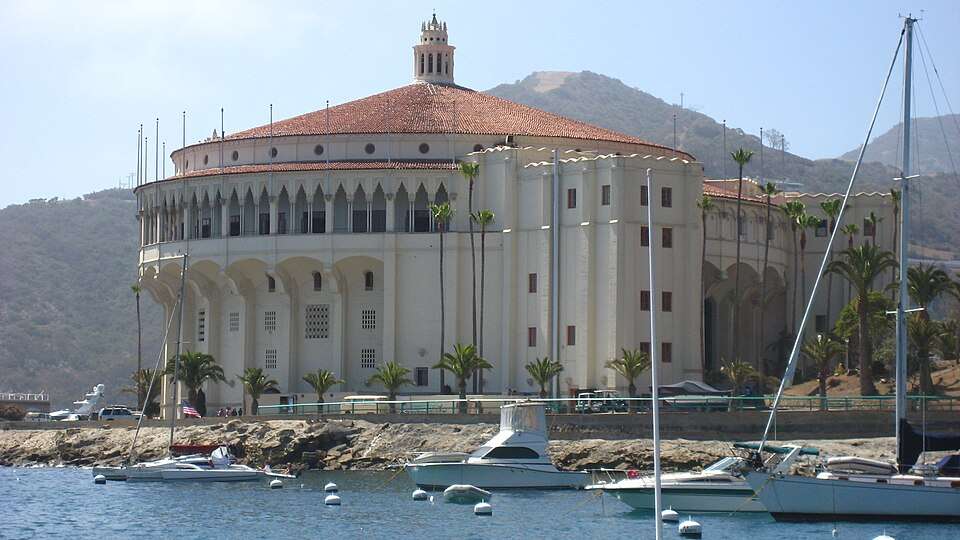
The hour-long ferry from Long Beach, San Pedro, or Dana Point lands you somewhere that doesn’t feel like it shares a county with the 405: Avalon, the one real town, wraps its casino-crowned harbor in a place with almost no cars — golf carts are the local fleet, and renting one for the scenic loop is the classic first move.
The circuit: the Casino building (never a gambling house — a 1929 ballroom and theater, toured for the art-deco interior), the Descanso Beach Club’s chairs-and-cocktails cove, snorkeling at Lover’s Cove where the garibaldi glow traffic-cone orange, and the Wrigley Memorial’s botanic garden up the canyon. The interior belongs to the bison — descendants of a 1924 film-shoot herd that never left — reached on the Airport-in-the-Sky road by tour or serious hike.
The mechanics: book the ferry ahead in summer (morning boats out, late boats back maximize the day), the crossing gets bouncy in wind (medicate the prone), and Two Harbors — the island’s other, tiny settlement — serves second visits and campers. Avalon in a day is complete and unhurried; the zipline and semi-submersible add-ons are cheerful extras, not requirements.
Read the full Catalina Island day-trip page.
Joshua Tree & Palm Springs — The Desert Double
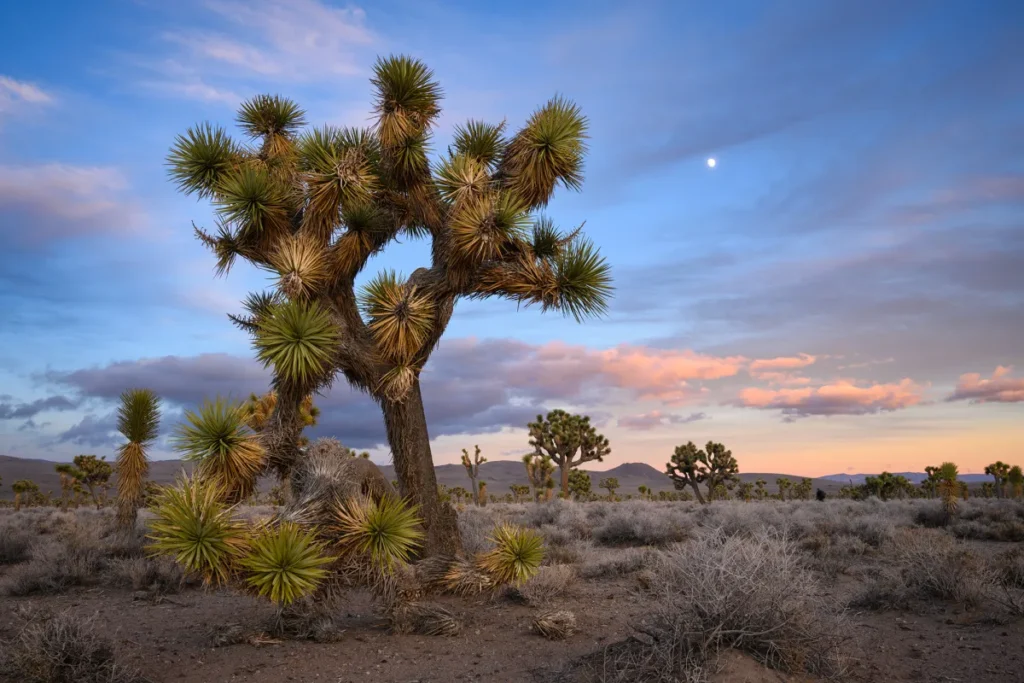
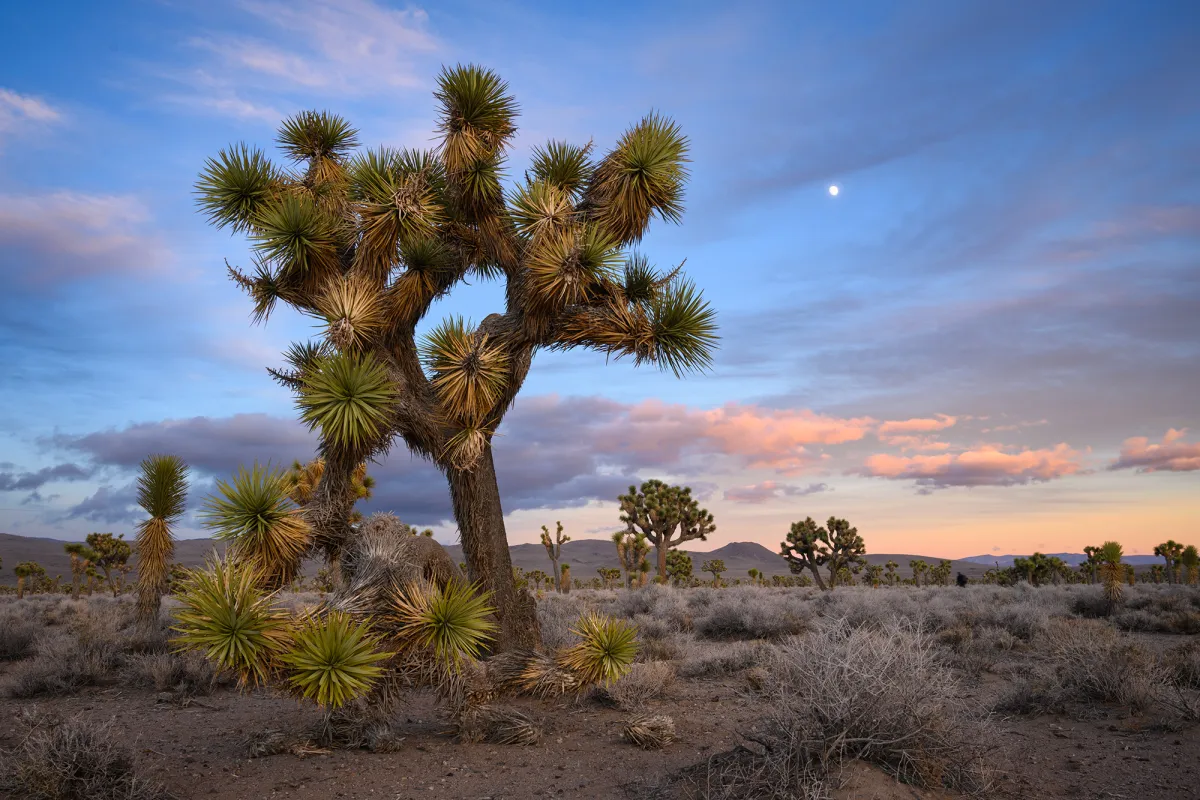
Two hours east, Joshua Tree National Park runs on desert arithmetic rather than reservations — there’s no timed-entry system; the constraint is the season. October through April is the window; summer visits compress to dawn and dusk, and the park’s own warnings about heat are not decorative. Water math: a gallon per person per day, carried, because the park sells none.
The circuit from the West Entrance: Hidden Valley’s one-mile loop through the boulder amphitheater (the essential first walk), Barker Dam’s petroglyphs and improbable water, Keys View for the whole Coachella Valley and San Andreas Fault at once, and the Cholla Cactus Garden at golden hour, where the backlit spines do the thing every photographer came for. Skull Rock and the climbers’ formations fill the margins; the night sky, if you stay past dark, is the park’s second show.
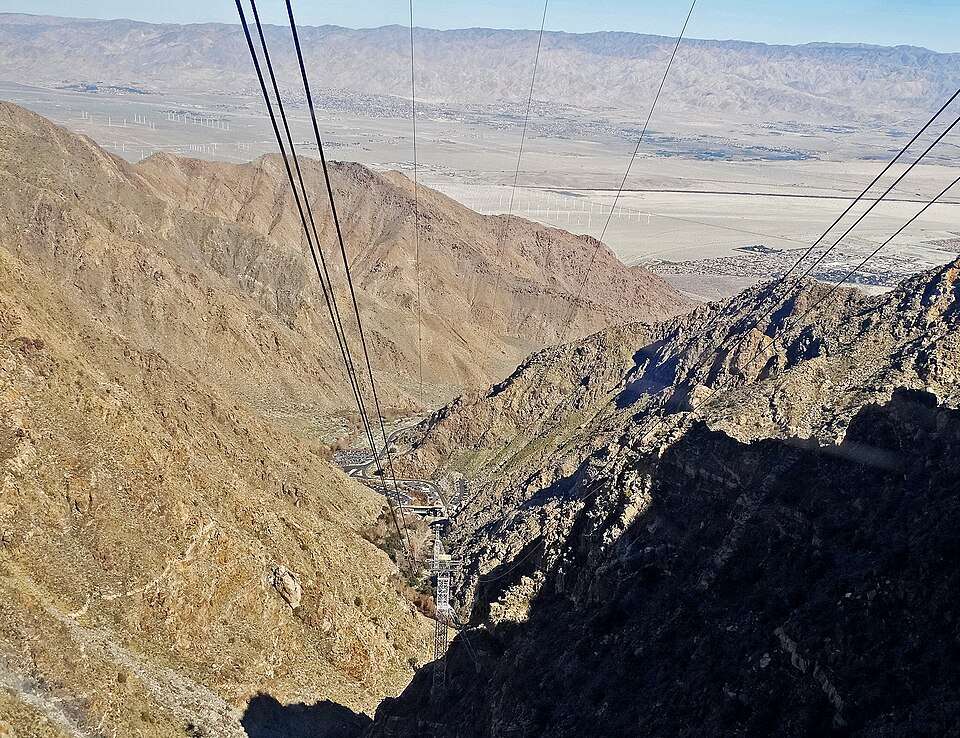
Palm Springs, forty minutes below, is the recovery half: the Aerial Tramway’s rotating cars climb 8,500 feet from desert floor to pine forest (twenty degrees cooler at the top — bring the layer that sounds ridiculous in the parking lot), the mid-century architecture tours run the Elvis-and-Sinatra grid, and the Ace or Parker pools handle the afternoon. Date shakes at Hadley’s on the drive home are the tradition. Full day, magnificently earned.
Read the full Joshua Tree day-trip page.
Read the full Palm Springs day-trip page.
Santa Barbara — The Surfliner Day
Ninety minutes to two hours north, Santa Barbara is the day trip that makes the case against driving: the Pacific Surfliner runs from Union Station along the actual sand for the Ventura stretch, lands you a block from the beach, and deletes the 101 traffic from both ends of the day. Take it.
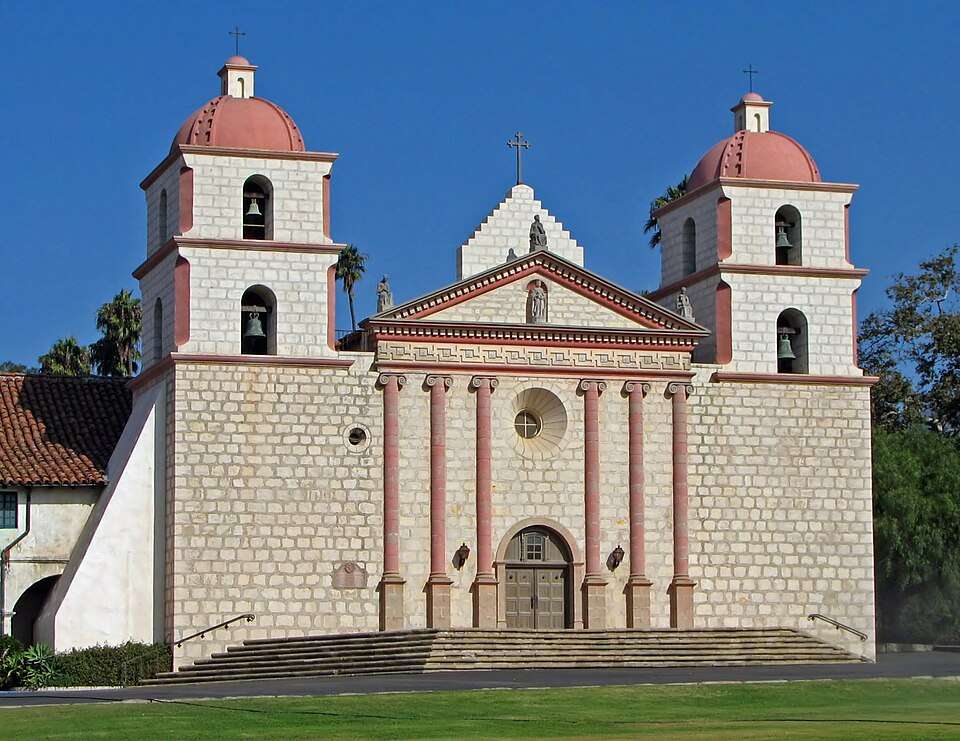
The circuit: State Street’s red-tile colonnade runs from the station toward the mission, with the Funk Zone — the warehouse district of tasting rooms and murals directly by the station — as the arrival or departure hour. The Old Mission Santa Barbara, “Queen of the Missions,” lives up to its title and its self-guided tour; the County Courthouse is the sleeper hit — a 1929 Spanish-Moorish palace whose free clock tower gives the red-roofs-to-ocean panorama that explains the city’s entire aesthetic. Stearns Wharf and East Beach handle the shoreline hours.
The eating rules: the harbor’s sea-urchin-and-fish-market counters run the freshest lunch, La Super-Rica Taqueria remains the Julia Child-endorsed institution with the line to match, and the Funk Zone pour covers the pre-train hour. This is the gentle, grown-up day — architecture, tacos, ocean — and the train converts it from a slog into a pleasure. Wine-country ambitions (the Santa Ynez Valley, Los Olivos) want a car and a designated driver, and honestly want an overnight.
Read the full Santa Barbara day-trip page.
Malibu & the Coast — Driven Respectfully
The Pacific Coast Highway is open end to end, and driving it in 2026 means driving through a recovery: the Palisades stretch runs work zones, reduced speed limits, and construction traffic as the rebuild proceeds. The register is simple — slow down, don’t photograph the loss, and spend money at the businesses that made it through; the Malibu chamber has said plainly that the town is counting on visitors returning.
What the coast still does better than anywhere: El Matador State Beach’s sea stacks and stairs at golden hour (the most photographed sand in the county, arrive early for the tiny lot), Point Dume’s whale-watching bluff (grays December–April), Zuma’s wide everyday-surf expanse, and the Malibu Pier with Surfrider’s point break beside it — the wave that built the town’s myth. Neptune’s Net and Malibu Seafood run the fried-and-fresh counter tradition.
The canyon add-ons: Topanga’s shops-and-hippie-history hour, plus the Santa Monica Mountains trailheads (Solstice Canyon’s ruins-and-waterfall loop is the gentle classic — check trail status, as fire-zone closures still shift). The coast day is a half day of stops rather than a checklist, best midweek, and better for the patience you bring to it.
The Theme-Park Sort — Anaheim and the Hill
The parks, sorted honestly. Disneyland runs on a two-step system: a dated ticket and a park reservation, made together, with Genie+/Lightning Lane economics on top — budget for it or embrace rope-drop discipline, because midday standby in season is where itineraries die. The calibration: Disneyland (the original park) over California Adventure for first-timers on one day; the park-hopper is worth its price only for multi-day visits. Weekday visits outside school breaks change the entire experience.
Universal Studios Hollywood is the other product: half theme park, half working-studio tour — and the Studio Tour tram, with its backlot streets, Jaws, and the flash-flood set, remains the single best hour and the thing Orlando’s version doesn’t have. Super Nintendo World books its access early on crowded days.
Knott’s Berry Farm is the coaster-and-boysenberry value play twenty minutes from Anaheim, and Six Flags Magic Mountain, north in Valencia, is the pure coaster capital for enthusiasts who count inversions. One park per day, booked for the lightest crowd calendar you can find, beats any two-park sprint — and the LA parks all sit 45-plus traffic minutes from the west side, which the schedule should respect.
Griffith, the Getty & Los Angeles Itself
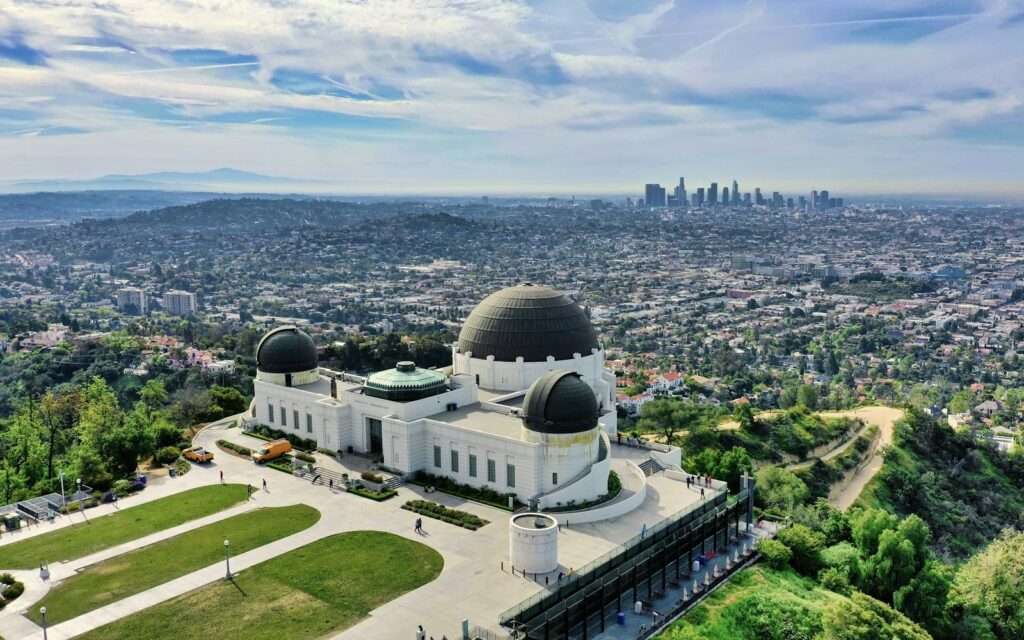
The city’s own icons sort by cost, and the best ones are free. Griffith Observatory: free admission, the Hollywood Sign and basin views from the lawn, planetarium shows for a few dollars, and the sunset-to-city-lights transition as the signature hour — take the DASH shuttle or walk up from the Greek Theatre; the parking is the only hard part. The Getty Center: free (parking paid), the tram ride up, the Richard Meier campus and gardens worth the trip before a single painting, and the collection worth it after. The Broad downtown: free general admission, booked ahead, with the infinity rooms timed separately.
The beach sort: Santa Monica for the pier-and-Ferris-wheel classic, Venice for the boardwalk circus and the canals two blocks behind it (the better Venice), Manhattan Beach for the volleyball-and-strand polish, and El Matador up the coast for the drama. The eating truth: LA’s best food is overwhelmingly casual — the taco trucks (al pastor off the trompo is the benchmark), Grand Central Market, Koreatown’s barbecue and 24-hour spas, and the San Gabriel Valley’s Chinese food, which is the best in America and worth structuring a day around.
Three rules apply: everything is 45 minutes away and the freeway decides which 45; schedule one region per day (west side, downtown, the valley, the coast) and the city works. Hollywood Boulevard is fifteen minutes of stars-and-costumes honesty, not an afternoon. Season math: September–November is the sweet spot (warm, clear, marine layer gone); May–June gloom is real at the beach and burns off inland; and the second the winter rain clears, the mountains snow-cap behind the palms and the city photographs like its own postcard.
Frequently Asked Questions
Is the PCH open through Malibu?
Yes, end to end — with work zones and reduced speeds through the Palisades rebuild stretch. Drive it patiently, skip photographing the loss, and spend at the local businesses; they’ve asked plainly for visitors to come back.
Do you need reservations for Joshua Tree?
No timed entry — pay at the gate or online. The desert sets the rules instead: October–April is the window, summer means dawn-and-dusk visits only, and a gallon of water per person is the carry, because the park sells none.
Is Catalina worth a day trip?
Yes — an hour’s ferry to a golf-cart town with an art-deco casino, orange garibaldi in the coves, and a bison herd in the interior. Book summer ferries ahead and take the early boat out, late boat back.
What’s the best way to do Santa Barbara from LA?
The Pacific Surfliner from Union Station — it runs along the beach, lands a block from the sand, and deletes the 101 from the day. Courthouse tower, the Mission, harbor lunch, Funk Zone pour, train home.
How do Disneyland reservations work?
Tickets are dated and paired with a park reservation made together; Lightning Lane is the paid line-skip layer on top. One park per day on the lightest calendar date you can find beats any hopper sprint, and rope drop remains the free strategy that works.